Waterproof Vinyl Flooring: The Complete Guide for Ontario Homes
Waterproof Vinyl Flooring: The Complete Guide for Ontario Homes

Key Takeaways

Selecting the right flooring helps homes stand up to the unique challenges of the province. Here are five things to know about modern vinyl options:

  • Stone Plastic Composite cores provide superior rigidity and resistance to temperature-driven expansion.
  • A thick wear layer is essential for maintaining a pristine surface in high-traffic hallways and kitchens.
  • Floating installation methods allow the floor to move naturally as seasonal humidity levels shift inside the home.
  • Proper subfloor preparation ensures long-term stability and prevents the development of hollow spots underfoot.
  • Regular maintenance involves simple debris removal, which protects the protective finish from grit and salt accumulation.

Understanding waterproof vinyl technology

Modern flooring options have evolved significantly, moving away from brittle, cheap materials to sophisticated composites that mimic natural aesthetics. Homeowners today have access to engineered surfaces that look clean and feel sturdy under pressure. The technology behind these floors focuses on core stability and surface resilience.

What is Stone Plastic Composite (SPC) flooring

Stone Plastic Composite flooring consists of an extruded core made from a blend of limestone powder and stabilizers. This mixture creates an incredibly dense and stable board that won’t give under foot traffic. It serves as the backbone for manufacturers like the DuraTru series to ensure the planks remain flat and secure over extended periods of time.

Differences between SPC and Wood Plastic Composite (WPC)

WPC flooring integrates wood pulp into the core, offering a softer feel underfoot compared to its stone-based counterpart. While WPC is comfortable to walk on, SPC prioritizes density and crush resistance. For many, that added rigidity is the primary draw when they explore options like ReNature by Coreluxe for busy areas in the home.

Why the rigid core prevents warping and buckling

Traditional flooring often reacts negatively to the significant changes in air quality seen throughout the seasons. A rigid SPC core effectively locks the material in place, preventing the microscopic movements that lead to unsightly peaks or gaps. This structural consistency remains reliable even when the home faces shifts in heat or moisture.

Distinguishing high-quality vinyl from budget alternatives

Cheap products often rely on thinner materials and weak wear layers that can scratch or dull after only a few months of light use. High-quality varieties emphasize deeper scratch resistance and clearer printing, which allows the floor to retain its visual appeal. It is vital to compare technical data, such as millimetres of thickness, to ensure your choice lasts longer than the baseline expectation.

Benefits for the Ontario climate

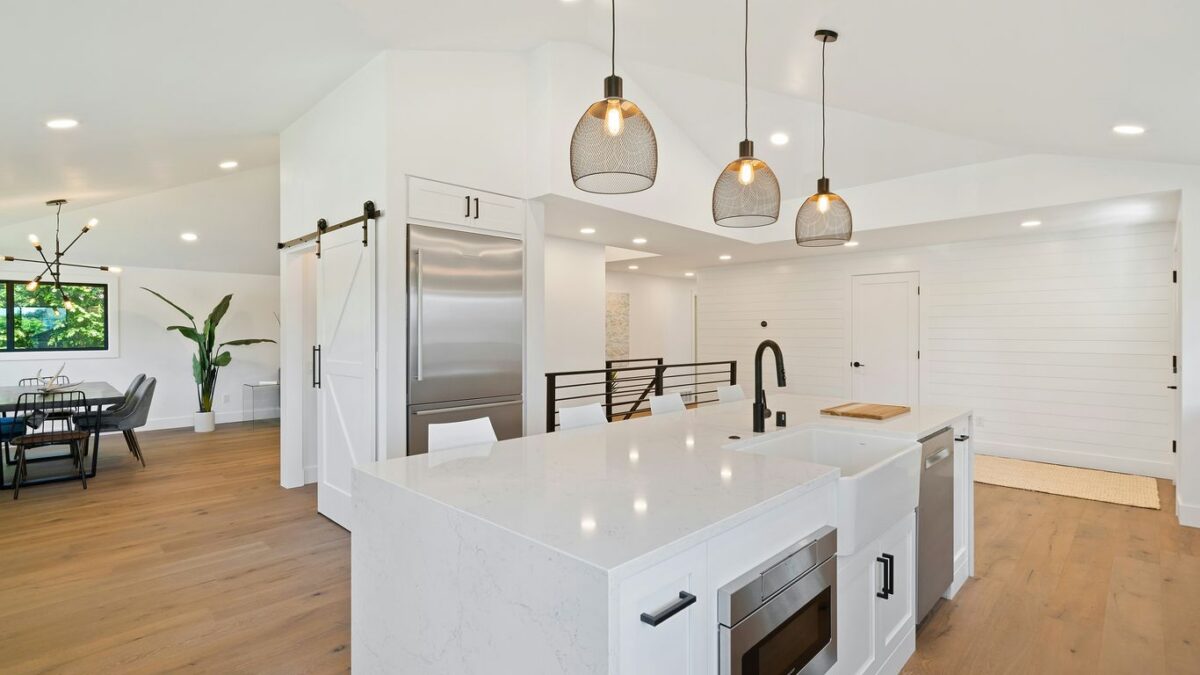
Interior view of modern vinyl floor

Navigating the seasonal rhythms of this region requires materials that can handle diverse environments. Whether it is hot, humid summer air or crisp, dry winter conditions, the interior environment changes constantly. Choosing a product that maintains integrity through these transitions protects your long-term investment.

Managing seasonal humidity fluctuations in the home

Indoor humidity levels often plummet in winter as furnaces run regularly, then spike once the summer warmth arrives. Stable flooring resists this constant expansion and contraction, preventing edges from curling or clicking systems from snapping. This adaptability is critical for keeping an even floor surface all year round.

Suitability for lower-level basement renovations

Basements present unique challenges because they sit directly against concrete, which can trap moisture from the surrounding earth. Waterproof vinyl serves as an ideal barrier here because it does not absorb dampness or support the growth of hazardous mold. You can feel confident exploring flooring options that keep those cooler, lower levels feeling warm and finished.

Performance during Ontario’s extreme temperature swings

While vinyl is generally hardy, sudden bouts of high solar heat through large windows can sometimes lead to localized expansion. Premium rigid-core products manage this heat-related stress by maintaining a stable physical structure. By selecting materials rated for temperature shifts, you prevent the risk of common issues like buckling during a particularly hot July afternoon.

Defending against moisture and mold growth

Unlike traditional hardwood, vinyl surfaces simply shed water rather than soaking it into the fibers. This makes them inherently resistant to the leaks and spills common in households with kids or active pets. Keeping floors clean and dry ensures that the subfloor below also remains protected from the common damages that plague organic flooring types.

Essential technical specifications for durability

Details like mil counts and total thickness are the best indicators of how your floor will handle day-to-day life. Looking past just the aesthetic finish allows you to gauge true performance under pressure. When you prioritize these technical metrics, you ensure that the flooring stays beautiful even in the most active parts of your house.

Importance of wear layer thickness in high-traffic areas

The wear layer is a transparent top coating that shields the design layer from scrapes, scuffs, and daily wear. Opting for a 20-mil layer is standard for households that see significant activity in entryways and main living spaces. This thickness provides a sufficient buffer against the inevitable dragging of feet and furniture.

Evaluating total plank thickness for stability

Total thickness refers to the entire depth of the plank, including the core and the underside attachment. A thicker product generally feels more substantial and provides a more solid sound profile when walking across the room. It also aids in bridging small imperfections in an imperfect subfloor, leading to a smoother final result.

Benefits of integrated IXPE or acoustic underlayment

Many modern planks arrive with an attached IXPE padding that dampens noise and adds a touch of resilience beneath the feet. This feature simplifies the installation process and removes the need for separate rolls of underlayment. It functions as a buffer, ensuring the floor sounds deep rather than high-pitched or hollow under heavy footsteps.

Understanding scratch and dent resistance ratings

Manufacturers often test their products using standardized equipment to see how much pressure or friction the material can tolerate before showing damage. These ratings help set expectations for pet owners and parents regarding longevity. While no floor is completely indestructible, choosing a product with high resistance marks simplifies maintenance for a lifetime.

Navigating installation methods

Installing new flooring can be a rewarding project if you have the right clear instructions and proper tools on hand. The rise of floating systems has made high-quality results accessible to those without professional experience. Mastering the click-lock mechanism is the core step to ensuring a reliable, gap-free surface.

Advantages of floating, click-lock installation systems

Click-lock systems allow the floor to rest on the subfloor without being glued down or nailed into place. This floating nature permits the entire layout to move as a unit when temperature changes occur within the room. It represents a fast, clean way to upgrade a home without the fumes or mess associated with permanent adhesives.

Essential subfloor preparation for concrete or wooden bases

Before you start laying planks, the ground beneath must be completely dry, level, and free of debris. Any bumps in the subfloor can eventually translate to weak points in the surface above leading to clicks that unlock over time. Cleaning the concrete or leveling a wood base is worth every extra minute spent preparing.

Why proper expansion gaps are vital for climate shifts

Even the most stable flooring needs room to breathe slightly at the edges of the wall. Leaving a defined expansion gap ensures that the floor can grow and shrink during seasonal weather patterns without pushing against the baseboards. Neglecting this crucial space can ruin an otherwise perfect setup, as the material needs space to vent its natural tension.

Deciding between professional installation and DIY projects

DIY work is a natural choice for smaller rooms or standard layouts where the layout is relatively square. Larger or intricate homes, however, often require the experienced eye of a professional to navigate complex transitions and trimming. A professional team ensures precise cuts and proper adherence to manufacturer warranties, providing peace of mind for larger projects.

Selecting the right design for your space

Visual aesthetics pull the design of your home together, turning a simple room into a cohesive interior space. From the grain pattern to the level of sheen, your choices here define the personality of the environment. Focusing on natural aesthetics ensures your flooring feels warm and authentic for years to come.

Matching textures to natural hardwood aesthetics

Textures that replicate the grain patterns of real oak or maple add a layer of realism that flat vinyl lacks. These imprinted surfaces catch the light in ways that make it difficult for guests to distinguish between vinyl and authentic cedar or pine floors. Opting for deeper textures provides not only visual depth but contributes to a better traction and feel.

Comparing matte, low-gloss, and high-gloss finishes

Matte and low-gloss finishes are currently very popular because they hide dust while showcasing the floor’s detailed patterns. High-gloss surfaces can reflect more light, which might brighten a dark room but shows marks and footprints more easily throughout the day. It is often wise to choose a luster level that aligns with how frequently you plan to sweep or mop the area.

Selecting appropriate plank widths for room scale

Wide planks generally make small spaces feel significantly more open and spacious by reducing the number of repetitive joinery lines. Conversely, narrower styles can bring a traditional charm to a room that has a historical aesthetic. Considering your own room size helps guide you toward proportions that harmonize with existing furniture and layout.

Considering color trends for modern Ontario interiors

Modern households are moving toward neutral greys, warms beiges, and natural timber tones that create a calm, uncluttered atmosphere. These shades are versatile enough to blend with various furniture colors and decor styles. Choosing a color you personally enjoy is just as important as keeping up with the latest industry shifts.

Maintenance tips for long-term performance

Keeping your floors in great condition is largely about consistency and catching grit before it gets ground into your finish. A few light cleaning habits go a much longer way than an intensive chemical scrub twice a year. You can preserve the original luster of your surface by adopting a gentle, thoughtful approach to everyday spills.

Routine cleaning practices for vinyl surfaces

Regular sweeping or light vacuuming works perfectly to remove loose dust and hair before it can cause abrasion. A microfiber mop with a mild cleaner is all that is strictly required for keeping things looking refreshed. Avoiding heavy waxes or abrasive soaps keeps the protective top coating intact for its full lifespan.

Managing abrasive salt and grit from winter weather

Winter salt and sand are the natural enemies of a clean floor and can act like sandpaper under boots if left behind. Placing high-quality mats outside and inside every doorway ensures that most of this harsh debris stays at the entrance. If mud or salt gets past your first defense, wiping it up as soon as you notice prevents long-term scratches.

Using protectors to prevent furniture damage

Every chair and sofa foot should have protective felt pads attached before being placed on the floor to prevent dragging marks. Heavy items can cause permanent dents in softer materials if weights are not distributed evenly through protective pads. This simple step makes moving your furniture much safer for the flooring beneath.

Strategies for handling pet claws and active households

Keeping the nails of your pets trimmed is helpful for preventing fine scratches on the surface of your planks. While modern floors are highly resistant to this, the extra effort keeps your flooring looking brand new far longer than a neglected surface. Establishing dedicated play zones also helps focus potential impact in areas where the floor is prepared for it.

Conclusion

Selecting the ideal flooring involves balancing technical durability with the style you want for your family home, especially when accounting for local seasonal changes. By focusing on high-quality cores, thick wear layers, and proper installation habits, you can create an environment that looks beautiful and functions reliably for decades. Because each room has its own needs, take the time to evaluate your specific habits and local climate before making your final selection.

Frequently Asked Questions

Can you install waterproof vinyl directly over existing tile floors?

It is often possible to install this material over ceramic tile if the tiles are flat, stable, and the grout lines are not too deep. Using an underlayment helps ensure that the texture of the tiles does not telegraph through to the surface of your new floor installation.

How long should I wait before walking on my new floor?

Most modern click-lock floors are ready to be walked on as soon as they are fully installed. Once you have finished double-checking the locks and installed the perimeter baseboards, you can resume normal use of the room immediately without any waiting time.

Does high humidity affect vinyl the same way it affects wood?

Because synthetic materials do not absorb moisture like organic wood fibers, they are significantly less prone to swelling or shrinking in damp environments. They provide a much higher level of protection against daily humidity than traditional products, though they still require proper expansion gaps along the walls.

What is the advantage of a thicker wear layer?

A thicker wear layer provides more physical protection against everyday wear and tear, such as scratching and gouging. Choosing a higher mil thickness adds a structural buffer that extends the surface appearance of your floor in rooms with heavy foot traffic.

Should I use professional cleaners or just soap and water?

Generic cleaners or simple water and a mild soap are usually sufficient for standard maintenance. It is better to avoid harsh chemicals, bleach, or oily soaps as these can dim the finish or make the floor dangerously slippery over time.

Can I repair a single plank if it gets damaged?

While individual plank replacement is technically possible by disassembling parts of your floor, it can be a labor-intensive process depending on your original installation. If damage is severe, some homeowners prefer to keep a couple of extra boxes from the same batch to ensure a perfect color match during repair.

How do I handle heavy floor-to-ceiling windows and sun exposure?

When a room experiences extreme solar heat gain from large south-facing windows, minor plank movement is still possible despite the material’s structural integrity. Using window treatments to shield the floor from direct, intense rays during peak sunlight hours can help preserve its stability over very long periods.

0
    0
    Your Cart
    Your cart is emptyReturn to Shop