 Call or Shop In Store For Lower Prices (

Commercial Flooring
Laminate vs. Vinyl Plank Flooring: Cost
Jun
Laminate vs. Luxury Vinyl Plank: Which Floor Is Right for Your Home?
Laminate and luxury vinyl plank are two of the most popular flooring choices in Canada — and for good reason. Both offer the look of hardwood at a fraction of the cost, install without nails or glue, and hold up well in everyday living. But they are built differently, and those differences matter depending on the room, the climate, and how your household actually uses the space.
Here is an honest breakdown to help you choose the right floor for your home.
How Each Floor Is Built
Laminate flooring is constructed around a high-density fiberboard (HDF) core — a compressed wood-fibre base that gives the plank its rigidity and that familiar solid sound underfoot. Above the core sits a high-resolution decorative layer printed to mimic oak, maple, or other wood species, topped by a melamine wear layer rated on the AC scale (AC3 for residential, AC4 and above for heavier use).
Luxury vinyl plank (LVP) uses no wood content. The core is typically a rigid stone-plastic composite (SPC) — dense, dimensionally stable, and completely impervious to water. A photorealistic print layer sits beneath a clear vinyl wear layer, usually measured in mils (12 mil and above is recommended for busy households). The result is a floor that looks like wood but behaves like vinyl.
Waterproofing: The Most Important Difference
Luxury vinyl plank is 100% waterproof. The SPC core does not absorb moisture, which makes LVP the right call for basements, bathrooms, kitchens, laundry rooms, and any below-grade space where moisture from a concrete slab is a factor.
Laminate contains wood fibres. Even water-resistant laminate can swell at the seams when exposed to standing liquid or persistent humidity. In Canadian homes — where basements are common, winters bring tracked-in snow and salt, and humidity swings significantly between seasons — this distinction is critical. Laminate performs well in dry, stable environments. It is not the right material for areas where moisture is a regular presence.
Appearance and Underfoot Feel
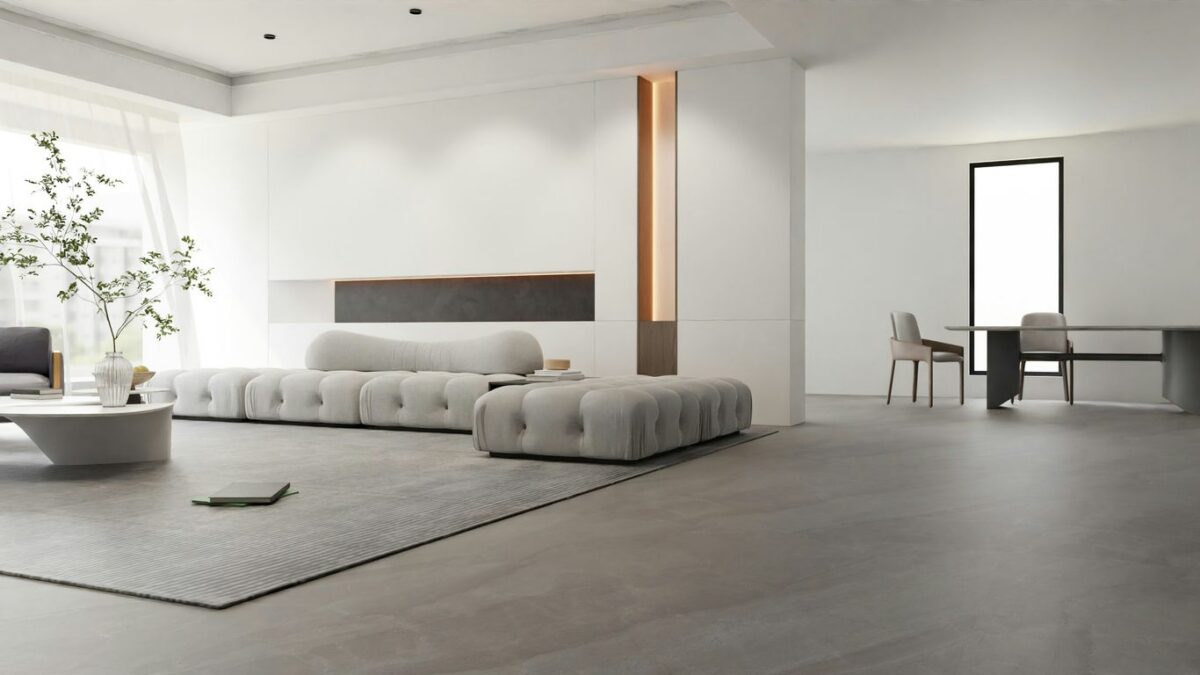
Both materials have improved dramatically in recent years. Modern embossing aligns texture with the printed grain pattern on both laminate and LVP, creating a convincing hardwood appearance in either format.
Where laminate still holds an edge is in acoustics and underfoot feel. Its HDF core gives it a denser, more natural sound when walked on — closer to real hardwood than vinyl. For open-concept living rooms, dining areas, and bedrooms where that quality matters, laminate remains a strong choice.
Cost and Long-Term Value
Laminate is typically more affordable per square foot, making it an excellent option for large dry areas on a defined budget.
LVP costs more upfront but tends to deliver better long-term value in households with pets, young children, or any regular exposure to moisture. Replacing water-damaged laminate is a significant cost — one that LVP eliminates. When evaluating the true cost, factor in durability alongside price per square foot.
Room-by-Room Guide
- Basements and bathrooms: LVP — waterproofing is non-negotiable
- Kitchens: LVP for spill resistance and ease of cleaning
- Living rooms and bedrooms: Either material works well; choose laminate for acoustics, LVP for households with pets
- High-traffic entryways: LVP with a 20 mil+ wear layer for maximum scratch and dent resistance
Maintenance
Both floors are straightforward to maintain. Sweep or vacuum regularly to remove grit that can scratch the wear layer. Clean with a damp mop and a cleaner formulated for your specific floor type. Avoid steam mops on either surface — the heat and moisture can damage the wear layer or force water into seams. For laminate, wipe spills immediately; do not allow liquid to sit at the joints.
Flooring Liquidators carries a wide selection of laminate and luxury vinyl plank flooring across our Canadian locations. Browse our full collection to compare styles, wear ratings, and pricing — and find the right floor for every room in your home.
Frequently Asked Questions
Can laminate or LVP be installed over existing tile?
Yes. Both can be installed as floating floors over clean, flat, existing tile. Use an appropriate underlayment to minimize the effect of grout lines on the surface above.
What wear layer thickness should I look for in LVP?
For residential use, 12 mil is the minimum recommended. Households with pets or heavy foot traffic should consider 20 mil or above for longer-lasting scratch resistance.
Is laminate flooring safe for indoor air quality?
Most laminate sold in Canada meets CARB Phase 2 or FloorScore emission standards. Look for these certifications when selecting a product if indoor air quality is a concern.
Can a damaged board be replaced without redoing the whole floor?
In a floating installation — which both laminate and LVP typically use — individual boards can be replaced by carefully unclicking panels back from the nearest wall to the damaged section.