 Call or Shop In Store For Lower Prices (

Carpet
Is Carpet a Good Choice for a Basement in Ontario?
Oct
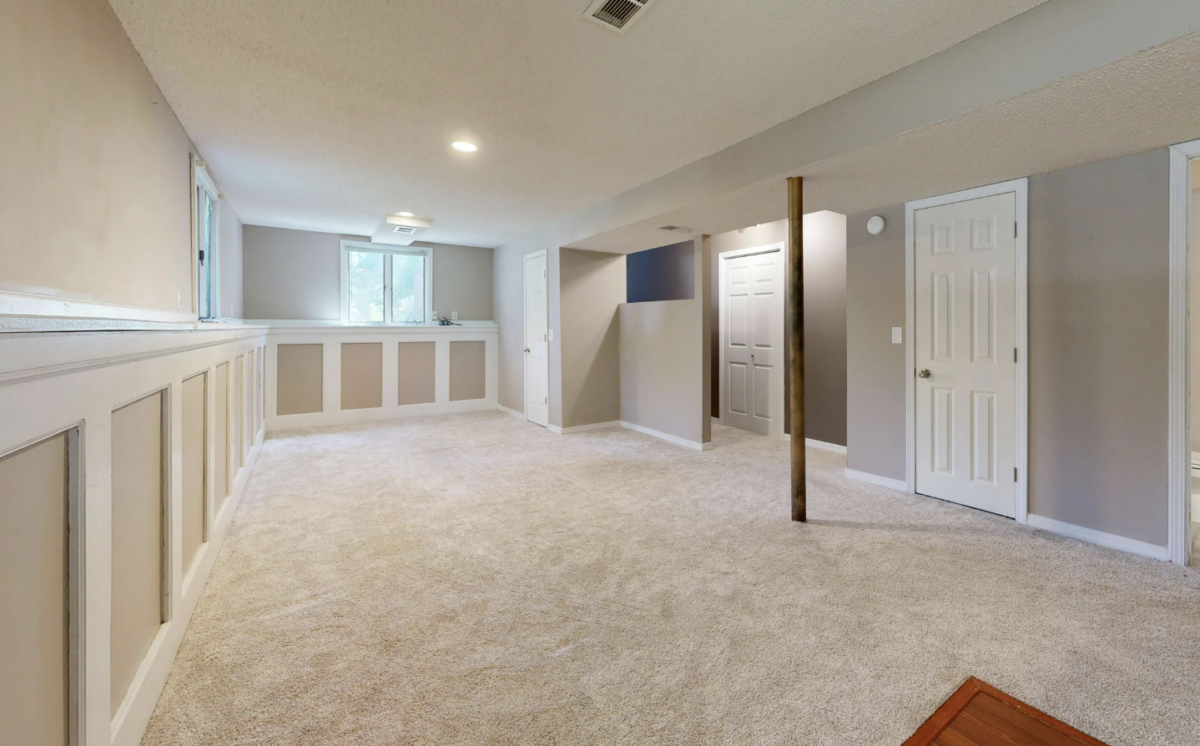
Carpet can be a good choice for an Ontario basement if the space is dry and well-managed for moisture—it adds warmth, comfort, and sound insulation that few other floors match. But because Ontario basements are prone to humidity and the occasional leak, carpet comes with real risks that make moisture control the deciding factor. Here are the honest pros and cons.
Weighing carpet for a basement in Ontario means being clear-eyed about both the cozy upside and the mould-and-moisture downside. This guide lays out both sides so you can decide with confidence.
Key Takeaways
- Carpet adds warmth and comfort to cold basement concrete, which is a genuine advantage in Ontario’s climate.
- Moisture is the biggest risk—Ontario basements are prone to humidity, and wet carpet can grow mould and mildew.
- A dry, well-sealed basement with good drainage is the baseline requirement before carpeting.
- Carpet tiles and moisture-barrier padding reduce the risk and make repairs easier if water does get in.
- In flood-prone basements, waterproof alternatives like vinyl plank are often the smarter long-term choice.
What are the pros of carpet in an Ontario basement?
The appeal of basement carpet is comfort. Concrete basement floors are cold and hard, and in an Ontario winter that chill comes right through. Carpet, paired with a good underpad, creates a warm, soft, insulating layer that transforms a basement from a cold storage zone into a livable room.
The benefits add up quickly:
- Warmth and insulation: carpet and underpad slow heat loss through the slab, helping the space feel comfortable year-round.
- Comfort underfoot: soft and forgiving, ideal for playrooms, family rooms, and home gyms.
- Sound dampening: carpet absorbs noise and reduces echo, which is valuable in a rec room, media space, or home office. (Our guide to sound-reducing flooring covers this in more detail.)
- Safety: a non-slip, cushioned surface is safer for kids and softer on falls than hard flooring.
What are the cons?
The honest downside is moisture, and in an Ontario basement that’s not a small caveat. Basements sit below grade, where humidity, condensation, and the risk of leaks or seepage are all higher. Carpet absorbs and holds water, and damp carpet is a prime breeding ground for mould and mildew—which is both a material problem and a potential air-quality concern for your home.
The key drawbacks:
- Moisture absorption: carpet soaks up spills, humidity, and any water intrusion, and dries slowly.
- Mould and mildew risk: trapped moisture in carpet or padding can lead to mould, especially below grade.
- Hard to fully dry: once a basement carpet is saturated, it’s difficult to dry thoroughly, and replacement is often necessary after a flood.
- Not for flood-prone spaces: if your basement has ever flooded or shows signs of water issues, carpet is a risky bet.
How do you reduce the risks?
If you want carpet in your basement, moisture management is everything. Before anything else, make sure the space is genuinely dry: address any leaks, ensure proper grading and drainage outside, run a dehumidifier through humid Ontario summers, and consider testing the slab for moisture before installing.
Then choose your materials with the basement in mind. A moisture-barrier underpad adds a layer of protection between the slab and the carpet. Carpet tiles are worth strong consideration too—if one section gets wet or damaged, you can lift and replace just those tiles rather than tearing out the whole floor. Synthetic fibres like polypropylene (olefin) also resist moisture better than natural fibres in below-grade conditions.
Carpet vs. the alternatives for Ontario basements
| Factor | Carpet | Waterproof Vinyl Plank |
|---|---|---|
| Warmth underfoot | Excellent | Moderate (warmer with underlay) |
| Comfort/softness | Excellent | Good |
| Moisture resistance | Low | Excellent |
| Flood recovery | Poor (often needs replacing) | Good (can dry and remain) |
| Sound dampening | Excellent | Good with underlay |
| Best for | Dry, well-managed basements | Damp or flood-prone basements |
For a reliably dry, well-sealed basement, carpet delivers unmatched comfort. For a basement with any history of moisture, a waterproof floor is the safer investment—and you can always add warmth and softness with area rugs on top.
Because basement moisture is the crux of the decision, it’s worth understanding the conditions in your own home; the Government of Canada offers useful guidance on preventing mould and managing moisture in the home.
Making the decision
Ask one question first: Is my basement dry, and will it stay dry? If the answer is a confident yes—no history of flooding, good drainage, controlled humidity—carpet is a comfortable, cozy, budget-friendly way to finish the space. If there’s any doubt, lean toward a waterproof floor and use rugs for warmth.
Seeing your options in person helps you match the right product to your basement’s real conditions. At Flooring Liquidators, you can explore the full carpet collection and talk through basement-specific choices with staff across 16 Ontario showrooms.
Start shopping today
So, is carpet a good choice for a basement in Ontario? When the basement is dry and well-managed for moisture, yes—it brings warmth, comfort, and quiet that hard floors can’t match. When moisture is a concern, the pros and cons tip toward a waterproof alternative. Be honest about your basement’s conditions, choose moisture-smart materials, and you’ll end up with a space you actually want to spend time in. Visit a Flooring Liquidators showroom to compare options, or shop online with Canada-wide shipping.
Frequently Asked Questions
Is it okay to put carpet in a basement? Yes, in a dry, well-sealed basement with good moisture control. In damp or flood-prone basements, a waterproof floor is a safer choice.
What’s the biggest risk of carpet in an Ontario basement? Moisture. Below-grade humidity, condensation, or leaks can leave carpet damp, which risks mould and mildew growth.
What kind of carpet is best for a basement? Synthetic fibres like polypropylene paired with a moisture-barrier underpad resist dampness better. Carpet tiles are also easier to replace if water gets in.
How can I stop basement carpet from getting mouldy? Keep the space dry: fix leaks, ensure good drainage, run a dehumidifier in humid months, and use a moisture-barrier pad under the carpet.
Should I choose carpet or vinyl for my basement? Carpet suits reliably dry basements for warmth and comfort. Waterproof vinyl plank is the safer pick for basements with any history of moisture.