 Call or Shop In Store For Lower Prices (

Flooring Tips
What Is the Difference Between LVP and LVT
Jun
Key Takeaways
- LVT replicates stone and ceramic, while LVP primarily mimics hardwood textures
- Both formats use multi-layer construction including protective wear layers for resistance
- Installation methods range from glue-down systems to floating click-lock configurations
- Proper subfloor preparation is essential for performance and long-term stability
- Maintenance is simple — regular cleaning preserves the wear layer and keeps floors looking new
Both LVP and LVT belong to the luxury vinyl family, but they serve different design purposes and suit different rooms. Understanding the distinction helps you choose the right format before you invest — and gets you to a better result.
LVP vs. LVT: The Core Difference
The acronyms tell the story. LVT — luxury vinyl tile — comes in rectangular or square formats designed to replicate the look of stone, slate, marble, or ceramic. LVP — luxury vinyl plank — features a long, narrow profile that mimics the appearance of natural hardwood boards.
Both formats share the same fundamental construction: a rigid or flexible core, a high-definition photographic print layer, and a clear protective wear layer on top. The difference is shape and the aesthetic it creates, not the underlying technology.
At Flooring Liquidators, most of our vinyl collection focuses on plank formats — including the SPC Luxury Vinyl series with styles like River, Cascade, and Triton, the Grandeur Luxury SPC Vinyl Planks, and the Triforest SPC7 for those needing a thicker, 8mm rigid core option. Browse our full vinyl collection to compare what is in stock across our Canadian locations.
How They Look and Feel
LVP: The Hardwood Alternative
LVP planks are printed with wood grain, knots, and micro-beveled edges that interact with light the way real hardwood does. They work naturally in living rooms, bedrooms, hallways, and any space where a warm, timber-inspired aesthetic fits. Wide planks laid along the longest wall of a room also make smaller spaces feel more open.
LVT: The Stone and Ceramic Look
LVT tiles use texture and colour to recreate the depth of stone — grout-line impressions, slate grain, polished concrete. They are particularly effective in kitchens and bathrooms where a clean, structured tile aesthetic is the goal, without the coldness or maintenance of real ceramic.
Installation and Subfloor Preparation
Both formats are available in floating click-lock systems, which rest on the subfloor without adhesive and allow the floor to move naturally as temperature and humidity shift — important in Canadian homes where seasonal changes are significant. Glue-down systems are also available for high-traffic environments that require more rigidity underfoot.
Regardless of format, the subfloor must be clean, dry, and flat before installation begins. Any bumps or dips greater than 3mm over 1.8 metres should be corrected first — otherwise they will eventually telegraph through to the surface and stress the locking joints. Always leave a 10mm expansion gap at all walls.
Durability and Maintenance
Both LVP and LVT are 100% waterproof, making them suitable for basements, kitchens, bathrooms, and laundry rooms. The wear layer on each format protects against scratches, stains, and daily foot traffic — the thicker the wear layer, the longer the floor holds up under heavy use.
Day-to-day maintenance is straightforward: sweep or vacuum regularly to prevent grit from scratching the surface, and clean with a damp microfibre mop and a pH-neutral vinyl cleaner. Avoid steam mops and wax-based products — both can damage the wear layer over time.
Which Format Is Right for Your Space?
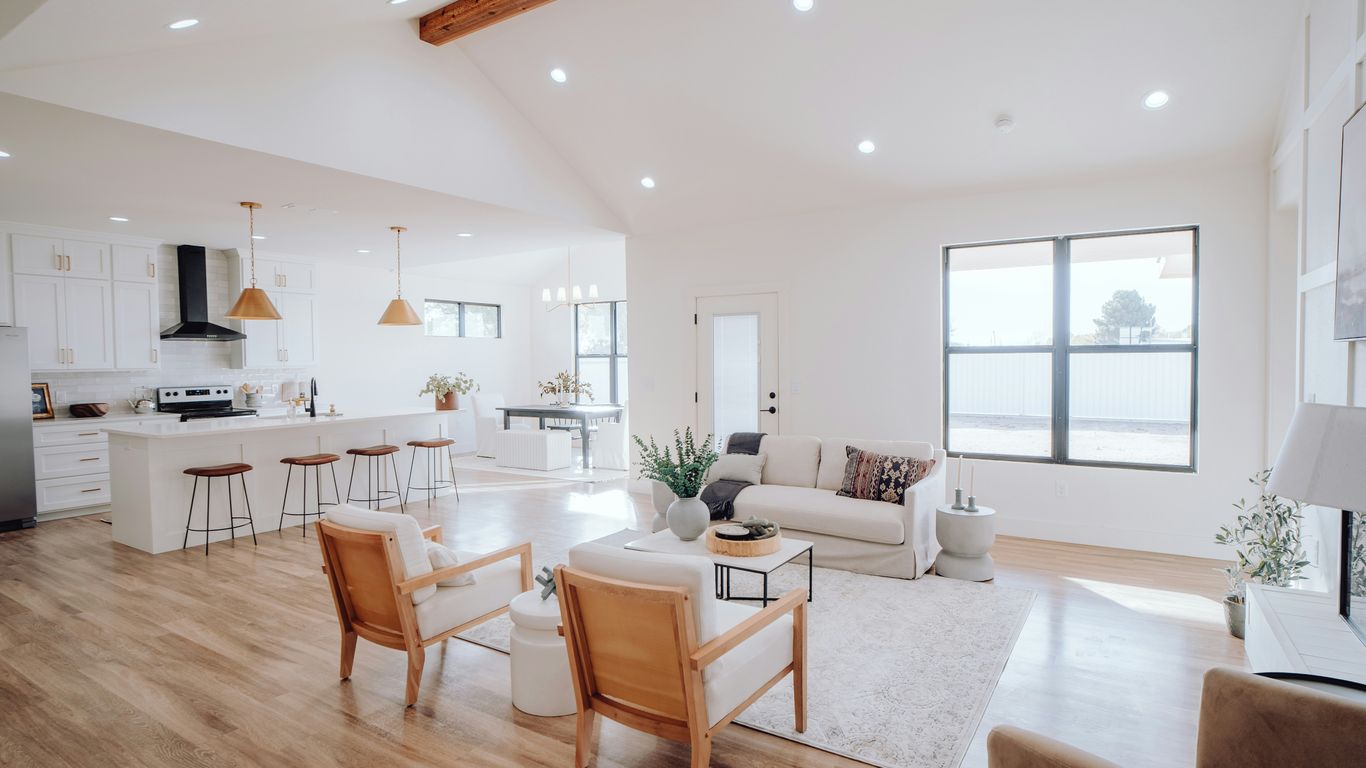
Choose LVP if you want the warmth and character of hardwood in living areas, bedrooms, or open-concept spaces. Choose LVT if you are tiling a bathroom, kitchen, or entryway and want the structured look of stone or ceramic without the weight or installation cost.
Either way, both formats are built to perform. Browse the vinyl flooring collection at Flooring Liquidators to compare styles, thicknesses, and wear ratings — and find the right fit for every room in your home.
Frequently Asked Questions
Are LVP and LVT interchangeable terms?
No. Both are luxury vinyl products, but LVT is tile-shaped for stone-look applications and LVP is plank-shaped for wood-look applications. The core construction technology is similar, but the format and aesthetic purpose differ.
Does LVT need to be grouted?
Some tile formats include beveled edges designed to accept acrylic grout for a more realistic stone appearance. Others are installed butt-jointed without grout. Check the specific product’s installation guide for the correct method.
Can I install luxury vinyl over existing flooring?
Yes, in many cases — provided the existing surface is flat, dry, firmly attached, and in good condition. Uneven or damaged subfloors should be corrected or removed first to ensure stability at the seams.
How does wear layer thickness affect longevity?
Thicker wear layers withstand more abrasion before showing wear. For busy households with pets or heavy foot traffic, a thicker wear layer extends the life of the floor significantly. Check wear layer specs when comparing products in our collection.