 Call or Shop In Store For Lower Prices (

News
Is Laminate Flooring Good for Basements in Ontario?
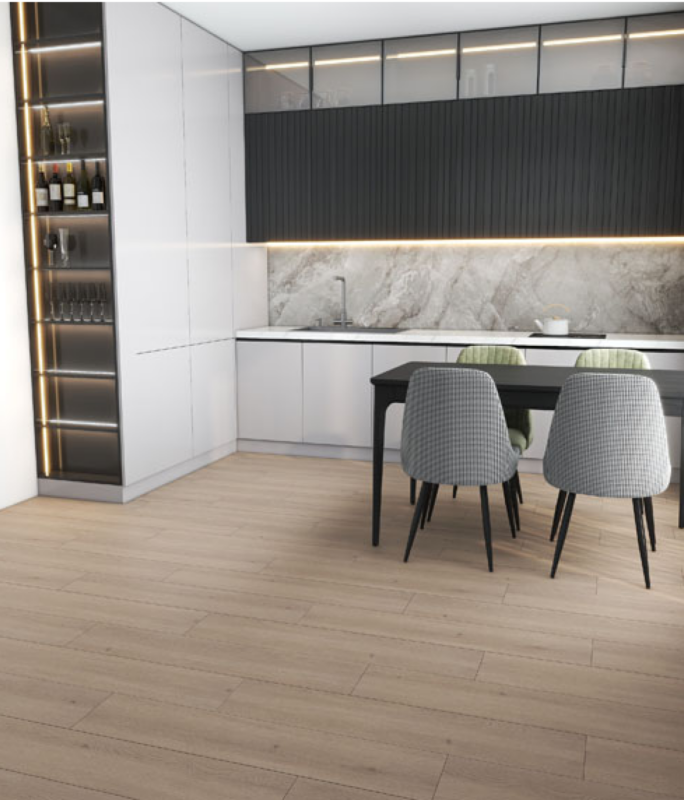
Jul
Turning an Ontario basement into functional living space requires attention to local environmental factors and the right materials. Laminate flooring is a popular choice, provided it is installed with proper moisture mitigation and quality underlayment.
Key Takeaways
- Ontario basements require specific attention to moisture due to high humidity and groundwater exposure.
- Modern water-resistant laminate is a durable alternative to traditional materials below grade.
- Preparing the concrete subfloor—including moisture testing, crack repair, and leveling—is fundamental to project success.
- Specialized underlayment creates a crucial barrier against cold, moisture, and noise transfer from the slab.
- Professional installation protects warranty terms and long-term durability.
The climate context: dealing with Ontario basement moisture
Because basements sit below grade, they are prone to moisture absorption and humidity swings year-round. Ontario’s seasons make this worse: during humid summers, water vapour condenses on cooler basement surfaces, threatening traditional wood-based products. Hydrostatic pressure adds another risk—groundwater builds beneath the foundation and forces moisture through pores in the slab, silently damaging flooring from underneath. Check your foundation for signs of seepage, such as efflorescence or staining, before installing new finishes.
Before laying any flooring, verify the concrete is sufficiently dry. Professional installers use moisture meters to test the slab—the only way to avoid trapped moisture that could void manufacturer warranties or cause long-term structural issues.
Choosing laminate flooring for a basement in Ontario
Laminate manufacturing has evolved dramatically to accommodate below-grade needs. Standard laminate is made of compressed wood fibres that swell when damp, but modern water-resistant options feature specialized coatings and advanced edge-sealing technology that fend off surface spills. When comparing products, look for:
- A moisture-resistant HDF core. High-density fibreboard is the backbone of a quality plank, and enhanced cores resist the dimensional instability that plagues classic flooring below grade.
- An AC3 or AC4 rating. Abrasion Class ratings measure wear-layer durability; these grades stand up to scuffs and heavy foot traffic.
- A click-lock installation system. Glue-free locking lets the floor expand and contract naturally without buckling, while keeping a tight, water-resistant seal at every seam.
Essential preparation steps for Ontario concrete floors
Preparation is the most critical phase of the installation—shortcuts taken here inevitably reveal themselves later, as an uneven or damp slab causes planks to shift, click, or separate.
Start by removing dust, debris, and old adhesives, then use a self-levelling compound to flatten the surface; even minor dips create tension points that damage plank locking mechanisms. Patch cracks with epoxy or cement-based fillers so ground moisture can’t rise through them. Finally, install a high-quality vapour barrier—your primary defence against moisture migrating through the slab and the risk of mold or mildew forming beneath the floor.
Choosing the right underlayment
The underlayment is as important as the planks themselves. Concrete acts as a giant heat sink, so an insulating underlayment creates a thermal break that keeps the floor from feeling ice-cold in winter, while dense material absorbs impact noise and eliminates the “hollow” sound sometimes associated with laminate. Common options include:
- Foam: basic cushioning and moisture protection for standard installations.
- Cork: a natural, eco-friendly choice with excellent thermal insulation and sound absorption.
- Rubber: superior shock absorption and noise reduction for high-traffic areas.
- Combination vapour-barrier pads: moisture protection and cushioning in a single layer.
Whichever you choose, make sure it’s rated for below-grade use—standard above-grade padding often lacks the moisture ratings concrete slabs demand.
Professional vs. DIY installation
| Assessment Factor | DIY Installation | Professional Installation |
|---|---|---|
| Estimated time |
Several full weekends |
1–2 days |
| Skill level | Moderate experience needed |
Industry-standard training |
| Cost |
Lower upfront |
Includes labour and warranty |
| Finish quality |
Variable |
Consistent, professional grade |
Installing laminate correctly means accounting for perimeter expansion gaps, subfloor irregularities, and precise cuts around walls, doorways, and vents. Just as importantly, many manufacturers only honour warranties when installation guidelines are strictly followed—common DIY mistakes like improper expansion gaps can lead to denied claims. Flooring Liquidators’ in-house installation teams deliver a clean, professional finish, resolve unexpected subfloor issues on the spot, and get your space back in use faster.
Maintenance tips to extend the life of your laminate
Laminate is low-maintenance by design. Skip excessive water and harsh cleaners—use a damp microfiber mop with laminate-safe products instead. Run a dehumidifier during humid summer months to keep the planks from expanding beyond their engineered capacity, and wipe up spills immediately before liquid can seep into the seams.
Upgrade Your Flooring
Laminate flooring is an excellent choice for basements in Ontario when you prioritize moisture management, subfloor preparation, and water-resistant products. Ready to transform a cold, underutilized basement into a comfortable extension of your home? Visit one of Flooring Liquidators’ 16 showrooms across Ontario, or shop online—we ship Canada-wide.
Frequently Asked Questions
Is laminate better than carpet for basements?
Laminate wins on durability and easy cleaning; carpet offers more warmth. It depends on which you prioritize.
Does laminate need a vapour barrier in a basement?
Yes. A vapour barrier over concrete is essential to stop ground moisture from damaging the boards.
Can you install laminate directly over concrete?
No—raw concrete needs a vapour barrier and underlayment first.
How long should laminate last in a basement?
Correctly installed water-resistant laminate can last 15 to 25 years with proper maintenance and humidity control.
What happens if laminate gets wet?
Water-resistant varieties handle spills well, but if water penetrates the core, panels can swell, bubble, or lift—and prolonged exposure causes permanent damage.